When it comes to vehicle safety and handling, few suspension components are as overlooked yet critical as stabilizer links. Also known as sway bar links or anti-roll bar links, these small but robust parts play a pivotal role in keeping your vehicle stable, especially during turns and sudden maneuvers. As a Taiwanese factory chassis parts manufacturer with decades of experience in producing high-quality stabilizer links for global markets, we’re here to break down everything you need to know—from their function and common issues to how to choose the right ones for your vehicle.
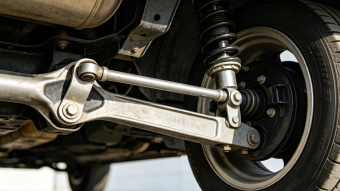
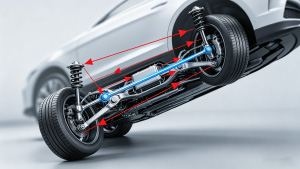
First, let’s clarify the basics: What exactly is a stabilizer link? Simply put, it’s the connecting component that links the stabilizer bar (anti-roll bar) to your vehicle’s suspension system—typically to the struts or control arms. The stabilizer bar itself is designed to minimize body roll when cornering by distributing weight evenly across the tires, and the stabilizer link is the vital bridge that allows this function to work seamlessly. Without a properly functioning link, the stabilizer bar can’t transfer force effectively, leading to compromised handling and increased safety risks.
Why do stabilizer links matter so much? Imagine taking a sharp turn at highway speed: without a working link, your vehicle would lean excessively to one side, reducing tire contact with the road and making it harder to maintain control. For drivers, this means a less stable ride, longer braking distances, and even uneven tire wear over time. For commercial vehicles or high-performance cars, the stakes are even higher—faulty stabilizer links can lead to costly damage to other suspension components, including shocks and struts.
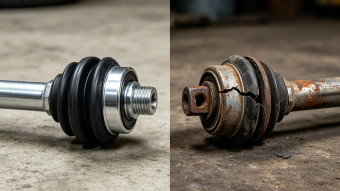
As experts in chassis parts manufacturing, we often see common misconceptions about stabilizer links. One of the biggest myths is that they only need to be replaced when they’re completely broken. In reality, wear and tear start long before a link fails entirely. The most common signs of a failing stabilizer link include clunking or knocking noises when going over bumps or turning, increased body roll during cornering, loose or imprecise steering, and visible damage like cracked rubber bushings or rusted joints. If you notice any of these symptoms, it’s time to inspect and replace your links—delaying can lead to more serious suspension issues.
Now, let’s talk about what makes a high-quality stabilizer link. At our Taiwanese factory, we adhere to strict IATF 16949 and ISO 9001 standards, ensuring every link meets or exceeds OEM specifications. The best stabilizer links are made from high-strength forged steel, which resists bending and fatigue even under heavy loads. They also feature durable rubber or polyurethane bushings to absorb vibrations and prevent metal-on-metal contact, along with corrosion-resistant coatings (like black E-coating) to withstand harsh road conditions and extend service life.
Another key factor is fitment. Not all stabilizer links are the same—they vary by vehicle make, model, and suspension design. A universal link might seem like a cost-saving option, but it can lead to misalignment, premature wear, and poor performance. For optimal results, always choose OE-compatible links that are precision-engineered for your specific vehicle. This ensures a direct bolt-on installation with no modifications, saving time and reducing the risk of installation errors.
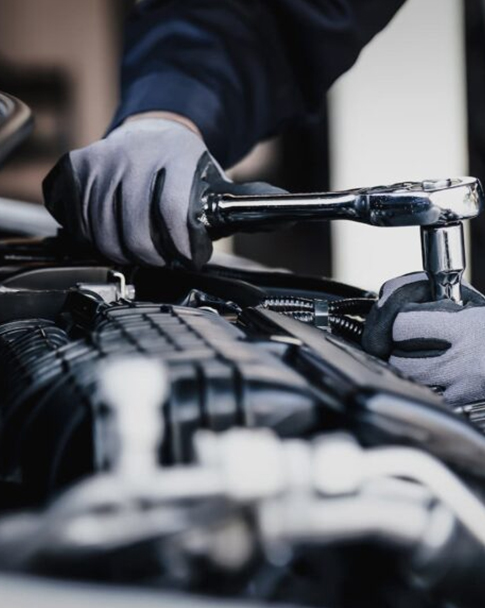
Maintenance is also crucial for extending the life of your stabilizer links. Regular inspections—especially during routine vehicle service—can catch early signs of wear <superscript:1>. Look for rust, cracked bushings, or excessive play in the link (you can test this by lifting the vehicle and wiggling the link gently). Keeping the links clean and ensuring proper lubrication (where applicable) can also prevent premature failure.
For businesses in the automotive aftermarket—such as distributors, repair shops, or fleet managers—choosing a reliable stabilizer link supplier is essential. As a Taiwanese manufacturer, we pride ourselves on producing consistent, high-quality links with transparent supply chains and flexible MOQ options <superscript:4>. Our links are rigorously tested for endurance, corrosion resistance, and dimensional accuracy, ensuring they perform reliably in even the most demanding conditions.
In conclusion, stabilizer links may be small, but they are indispensable for vehicle safety and performance. Understanding their function, recognizing signs of wear, and choosing high-quality, vehicle-specific links can help you maintain a stable, safe ride and avoid costly repairs. At our Taiwanese chassis parts factory, we’re committed to producing stabilizer links that meet the highest standards—because we know that every component matters when it comes to driving safety.


 English







 IPv6 network supported